Bearded dragons are one of the most rewarding reptiles you can keep: friendly, easy to handle and full of personality. Good care starts with what goes in the bowl, so this guide begins with the bearded dragon diet at every age, then covers the enclosure, heat and light that let them use it, plus handling and the questions we’re asked most at the counter.
At Toni’s Pet Station in Ningi we have bearded dragons in store when they’re available, along with live feeders, heating, lighting and enclosures, so you can set up a new dragon in one visit.
Why bearded dragons make great pets
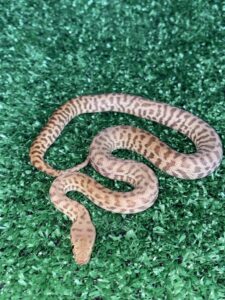
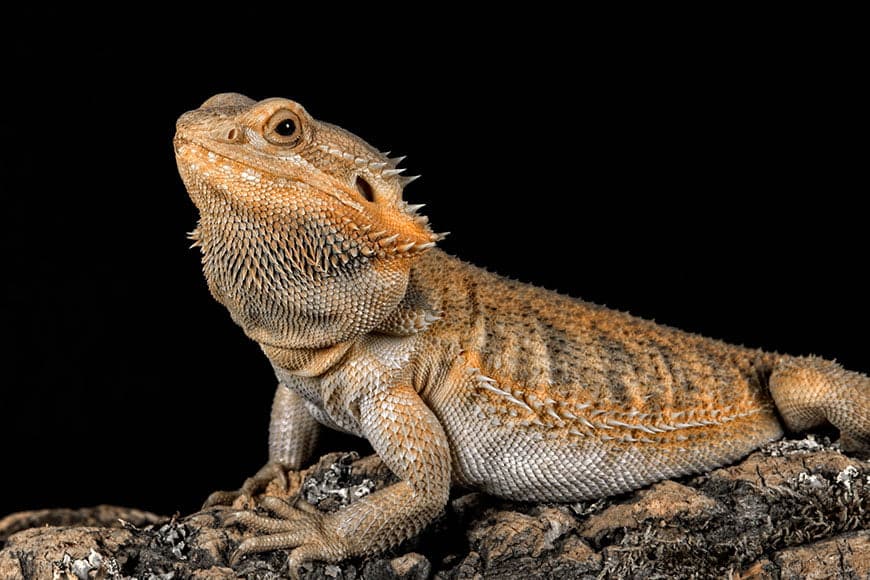
Bearded dragons, or beardies, are native to Australia and known for their calm, interactive nature. They’re one of the easiest reptiles for beginners, while still giving experienced keepers plenty to enjoy. In the wild they live in dry, rocky country with lots of sun, so they do best in a warm, well-lit enclosure that mimics it. They’re active during the day and love to bask.
- They’re hardy and adapt well to life in an enclosure.
- They’re generally docile and easy to handle.
- They show unique behaviours like arm waving and head bobbing.
- They live around 8 to 12 years with proper care.
What do bearded dragons eat?
Bearded dragons are omnivores: they eat both insects and plants, and the balance changes as they grow. A good diet gives them strong bones, bright colours and plenty of energy.
- Hatchlings and juveniles: around 70 to 80% insects, with the rest finely chopped greens and vegetables.
- Adults: around 20 to 30% insects and 70 to 80% greens and vegetables. Too much protein can lead to obesity.
Insects and protein
Protein matters most for young dragons that are still growing, and variety helps them thrive. Good feeder choices include:
- Crickets: high in protein and easy to digest.
- Mealworms and superworms: good for variety, but feed in moderation as they’re higher in fat.
- Wood roaches (woodies): nutritious and easy to digest.
- Silkworms and hornworms: soft-bodied insects that add moisture and balanced nutrition.
Offer insects no bigger than the space between your dragon’s eyes to prevent choking and digestion problems. Avoid wild-caught insects, which can carry parasites or pesticides, and skip centipedes and beetles, which can be toxic or hard to digest.
We keep crickets, mealworms and superworms in store. See our live feeders for the full range.
Vegetables and greens
Plant matter is just as important as insects, especially for adults. As your dragon matures, its diet should shift towards greens and vegetables, which provide vitamins, minerals and moisture. Mix leafy greens with firmer vegetables:
- Staple greens: collard greens, mustard greens and dandelion greens, all good sources of calcium.
- Vegetables: squash, pumpkin and zucchini, high in vitamins A and C.
- Occasional treats: carrot, capsicum and sweet potato, fed sparingly as they’re higher in sugar.
Offer fresh greens daily, chop everything into bite-sized pieces and rotate the types each week so the diet stays varied.
Fruit, in moderation
Fruit should make up less than 10% of the diet, as too much sugar can upset digestion. Safe options include blueberries, strawberries, mango, papaya and the occasional piece of watermelon for hydration.
Foods to avoid
Don’t feed avocado, rhubarb, spinach or iceberg lettuce. They can block calcium absorption or contain harmful compounds. Stick to dark leafy greens and trusted vegetables instead.
Calcium, vitamin D3 and UVB
Bearded dragons need calcium to build strong bones and prevent metabolic bone disease (MBD), which is caused by calcium deficiency or a lack of UVB light. Dust feeder insects with calcium powder two to three times a week. Dragons kept indoors or under artificial lighting also need a supplement that includes vitamin D3, which helps the body absorb calcium.
Supplements only work alongside the right lighting: a UVB lamp, plus a basking lamp such as the Arcadia Solar Basking for heat. Our UVB lighting guide explains how to set it up.
Water and hydration
Bearded dragons get most of their moisture from fresh vegetables and occasional misting, but a shallow water dish should always be available. Keep it clean and change it daily to prevent bacteria building up. Lightly misting their greens at feeding time also helps, especially in warmer months.
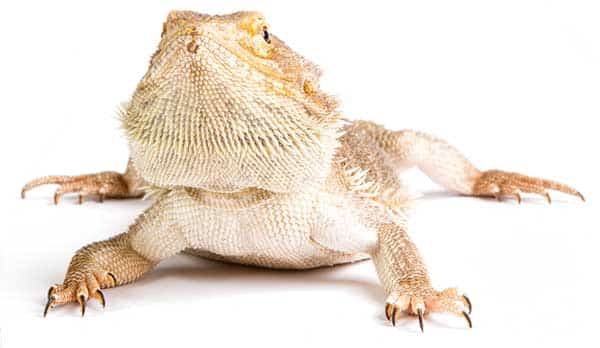
Feeding schedule by age
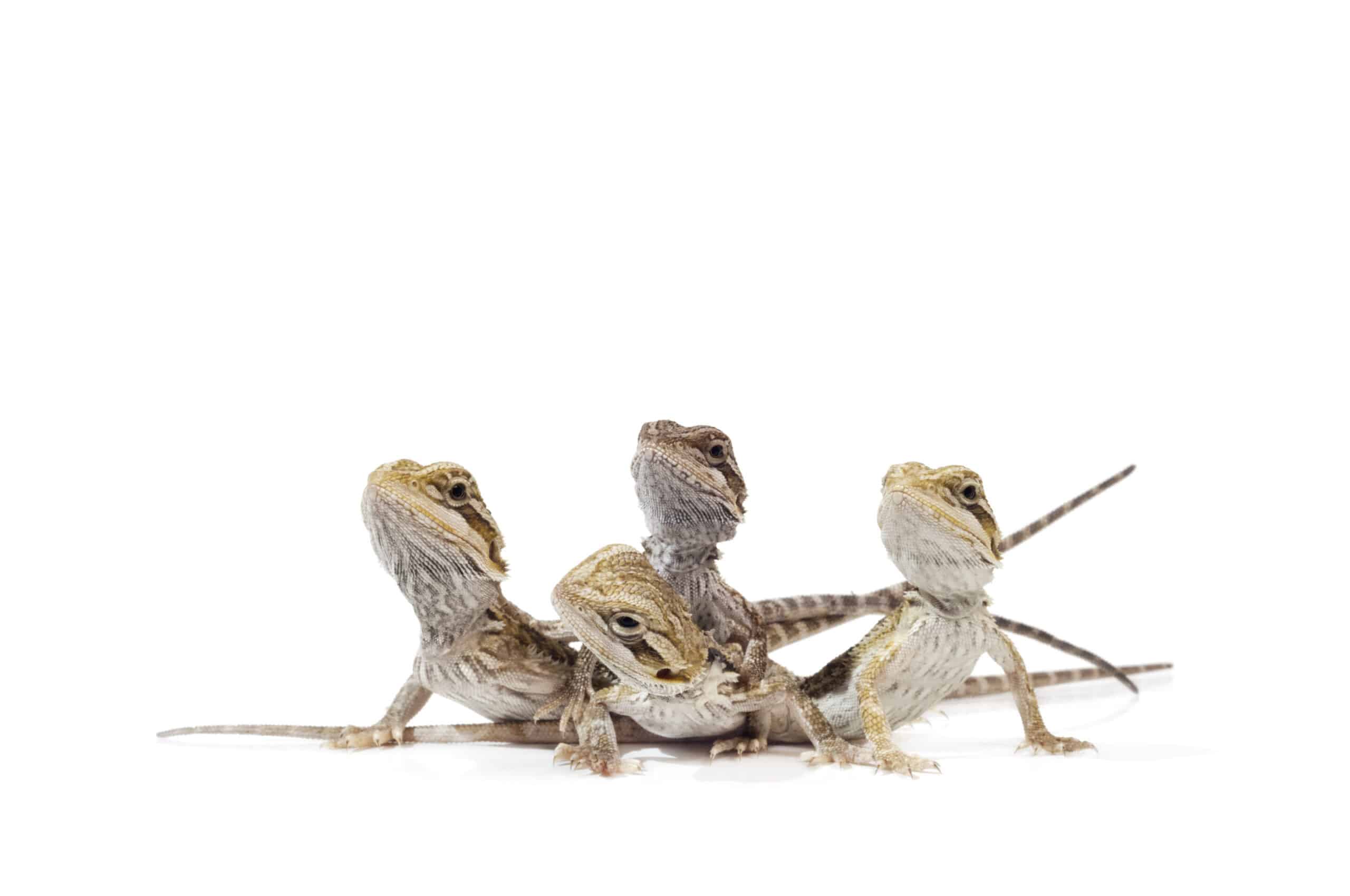
- Hatchlings (0 to 3 months): feed 2 to 3 times a day with small, soft-bodied insects, offering as many as they’ll eat in 10 to 15 minutes. Add finely chopped greens early so they get used to the taste.
- Juveniles (3 to 12 months): feed twice a day with a mix of insects and fresh vegetables. This is when they grow fastest, so calcium is especially important.
- Adults (12 months and over): feed once a day or every second day, mostly greens and vegetables, with insects 2 to 3 times a week. Adults are prone to overeating, so watch portion sizes.
A simple feeding chart helps you track preferences and portions, especially if you keep more than one dragon.
Common feeding mistakes
- Too much protein: too many insects can cause obesity or organ stress, especially in adults.
- Skipping supplements: without calcium or UVB, dragons can quickly develop bone and muscle problems.
- Insects that are too big: oversized prey can cause choking or impaction.
- Not enough variety: the same food every day can lead to deficiencies. Rotate feeders and greens regularly.
- Wrong lighting or temperatures: even the best diet won’t work if your dragon can’t digest it. Make sure the basking area is warm and the UVB is reliable.
Housing and set-up
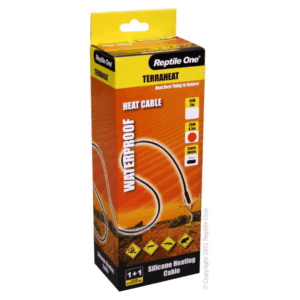
A proper enclosure is the foundation of good bearded dragon care. We stock enclosures, heating and lighting and accessories to get your set-up right from day one.
- Enclosure size: juveniles need a tank around 90cm long; adults 120cm or more.
- Basking spot: 38 to 42°C, with a cooler end around 25°C.
- Night: temperatures can drop to around 18°C.
- UVB: essential for bone health and preventing metabolic bone disease.
- Substrate: paper towel or reptile carpet for young dragons; washed, fine-grade sand or a sand and soil mix for adults.

Handling and bonding
Bearded dragons are known for their calm nature, which makes them great companions when handled properly. Regular, gentle handling helps your dragon get comfortable with you, reduces stress and encourages them to be more interactive. Start slowly by placing your hand in the enclosure so they can approach you at their own pace. Once they’re relaxed, lift them by supporting their body and legs so they feel secure.
Short, frequent sessions are better than long ones, especially for young dragons still settling in. Always handle them somewhere safe where they can’t fall or escape, and avoid handling straight after feeding, as this can cause discomfort.
Bonding goes beyond handling. Spend time near the enclosure so they get used to your voice and movements, and offer food by hand to build trust over time.
Do you need a licence?
Some reptiles need a Queensland recreational wildlife licence. Check which licence your species needs.
Protecting the local environment
Never release a pet reptile into the wild. It can harm local ecosystems and spread disease. Buying from a reputable breeder or pet store also helps stop the illegal wildlife trade and supports ethical reptile keeping.
Visit us in Ningi
Ready to bring a bearded dragon home, or want a hand with the one you have? Pop in to Toni’s Pet Station at Cnr Regina Ave & Bribie Island Rd, Ningi QLD 4511, or call (07) 5429 5995. We’ll help you choose the right dragon, set up the enclosure and get the diet right from day one.
Frequently asked questions
What should I feed my bearded dragon every day?
Juveniles need a mix of live insects and chopped greens every day. Adults eat mostly vegetables, with insects 2 to 3 times a week. Gut-load insects before feeding and dust them with calcium powder.
Can bearded dragons eat fruit?
Yes, but only as a treat. Blueberries, mango and papaya are good for hydration, but fruit should stay under 10% of the diet because of the sugar.
Do bearded dragons need supplements?
Yes. Calcium and vitamin D3 help prevent metabolic bone disease, and they work best alongside proper UVB lighting.
How do I keep my bearded dragon hydrated?
Offer fresh water daily in a shallow bowl, lightly mist their vegetables, and keep the enclosure at the right humidity.
What’s the best insect to feed a bearded dragon?
Crickets and wood roaches are ideal staples, with mealworms or superworms as occasional treats. Avoid wild-caught insects and anything too large.
How long do bearded dragons live?
With proper care, around 8 to 12 years.