
Reptile shop in Ningi. Food and warmth first.
With reptiles, most of what goes right comes down to two things: what they eat and how warm they are. So that's where we start. We keep live crickets, superworms and mealworms, frozen mice and rats, heating, lighting and enclosures in store, and captive-bred pythons, bearded dragons, geckos and turtles when they're available. Pop in for a chat, or ring ahead and we'll put your feeders aside.
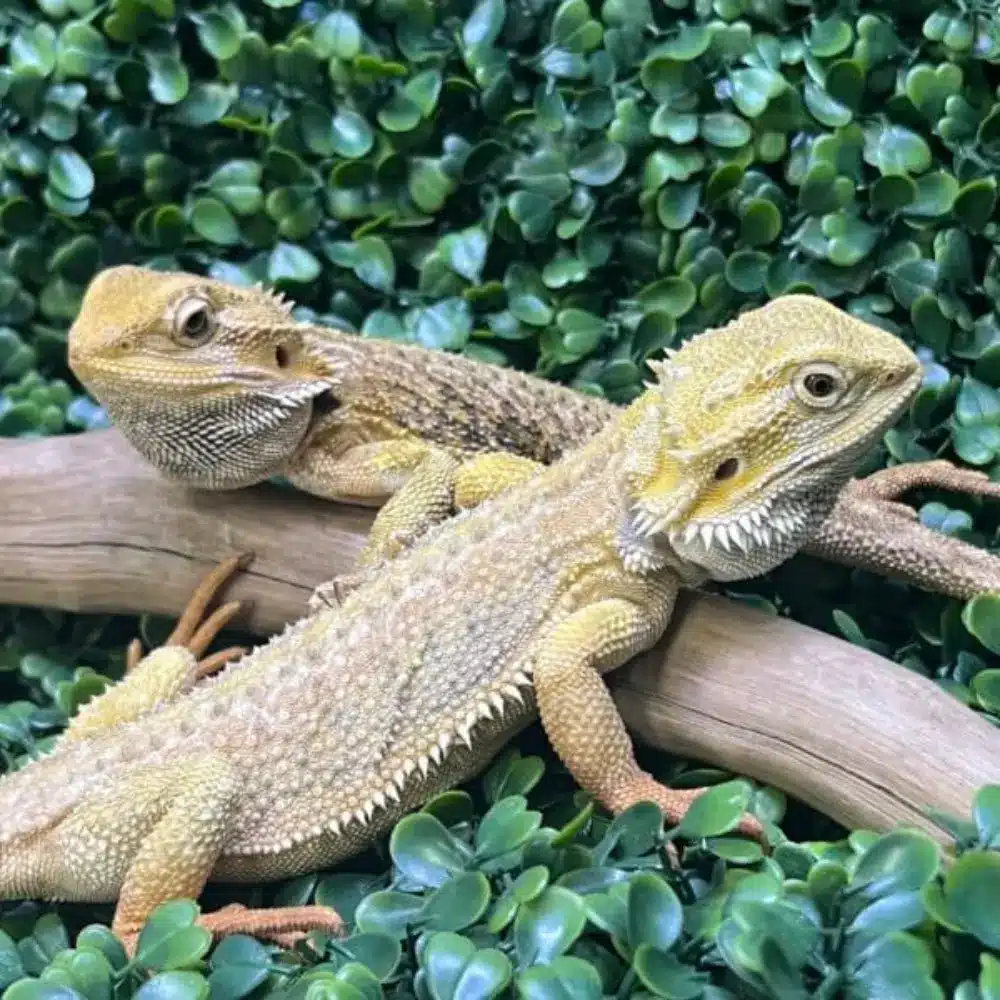
Shop for your reptile
Five sections, from the animal itself to the enclosure it lives in.
Reptiles available
Pythons, bearded dragons, geckos and turtles. Call to check what's in.
See reptiles available →What reptile keepers come back for
Feeders go quickly, so ring ahead and we'll put them aside, subject to stock availability.
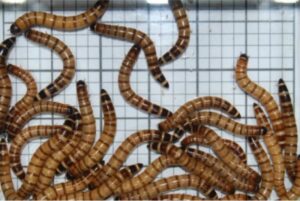
Superworms 100g (Mealworms)
Superworms 50g
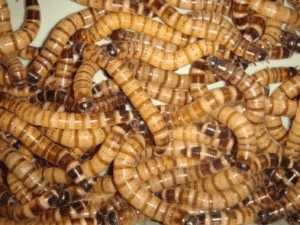
Meal Worms
View & call to collect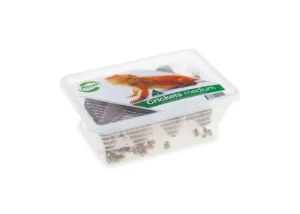
Crickets Medium
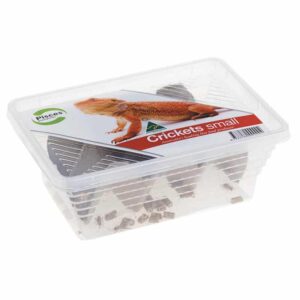
Crickets Small

Hopper Mice 10 Pack
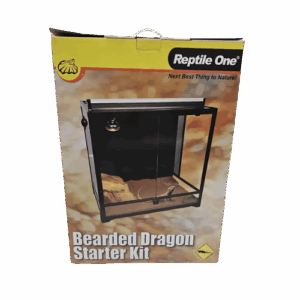
Bearded Dragon Starter Kit- Complete Heating & Lighting Setup
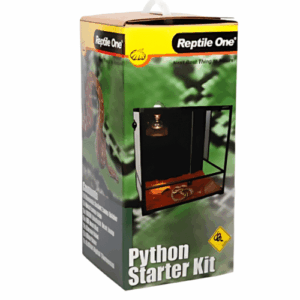
Python Starter Kit Reptile One
Not sure what to feed?
Tell us the species, its age and size, and we'll talk you through what to feed, how often and which size feeder to grab. Toni was a vet nurse for nine years before she opened her own pet business in 2004, and the team will always give you a straight answer.
Caring for your reptile
Reptiles are rewarding pets for people who take the time to understand what they need. Every species is different, from small ground-dwelling geckos to large semi-aquatic turtles, so it pays to do your homework before bringing one home. Here’s what we talk through with every new keeper. If you’re unsure about anything, come in and ask.
Handling
A few simple habits keep you and your reptile safe.
- Wash your hands before and after handling. Reptiles naturally carry bacteria such as Salmonella.
- Handle gently and avoid sudden movements, which reduces stress and defensive behaviour.
- Use a snake hook or gloves for larger or more defensive animals, especially snakes.
Housing and equipment
- Use a secure enclosure that suits the species, with the right heating, lighting and humidity.
- Avoid overcrowding, which can lead to stress and aggression.
- Check the enclosure regularly for gaps or hazards.
See our enclosures and the snake enclosure set-up guide.
Feeding and nutrition
Feed a diet that suits the species, because the wrong food causes health problems over time. Snakes need whole prey, while herbivorous reptiles need a variety of leafy greens and vegetables.
Use tongs at feeding time to keep fingers out of the way. We keep live feeders and frozen and dry reptile food in store, so it’s easy to keep the pantry topped up.
Feeders running low?
Ring ahead and we'll put crickets, superworms or frozen mice aside for you.
Heat, light and temperature
Most reptiles can’t make their own body heat, so they rely on the heat and light in their enclosure. Set up a temperature gradient, with a warm basking spot at one end and a cooler retreat at the other, so your reptile can move between them.
Many species, including lizards and turtles, also need UVB lighting to make vitamin D3. Without it they can’t use calcium properly, which can lead to metabolic bone disease. Poor heat and light are among the most common causes of health problems in captive reptiles. See heating and lighting and our UVB lighting guide.
Health and vet care
- Watch for signs of illness such as lethargy, loss of appetite or a poor shed.
- Choose a vet experienced with reptiles.
Small changes in appetite, movement or skin are often the first sign something’s not right, so keep an eye on your reptile every day.
Habitat and enrichment
An enclosure should be as close to the animal’s natural habitat as you can make it, with the right substrate, temperature, humidity and features like logs, rocks and plants. Tree-dwelling species need height. Ground-dwellers need floor space and plenty of places to hide.
Reptiles benefit from enrichment too. Branches, tunnels, plants and water features encourage natural behaviour like basking, digging and hunting. Rearranging the enclosure now and then, or adding something safe and new, keeps them curious.
A long-term commitment
Many reptiles live for decades. Snakes and turtles often live 20 years or more, and some pass 40 with good care.
Be ready for seasonal changes too, such as brumation (a winter slow-down), shedding and breeding behaviour.
Keeping it clean
- Remove waste promptly to stop bacteria and mould building up, which can cause respiratory and skin problems.
- Clean and refill water dishes daily.
- Take out uneaten food.
Keeping reptiles responsibly
Reptiles aren’t traditional pets, and they need specialised care. We’ll always talk you through what’s involved before you buy, so you know what you’re taking on.
With the right set-up, diet and attention, your reptile can live a long, healthy life. See the reptiles we have available.
Ring ahead. We'll put it aside.
Call the store, tell us what your reptile needs and we'll have it ready at the counter, subject to stock availability. Frozen food stays frozen until you get here.