
Setting up the Perfect Enclosure for Your Snake
Creating the ideal snake enclosure setup is one of the most important steps in keeping your reptile happy, healthy, and thriving. Whether you’re new to snake ownership or looking to upgrade your pet’s environment, getting the enclosure right can make all the difference.
This blog is tailored specifically for Australian snake keepers and highlights some of the most popular species available locally—especially green tree pythons, spotted pythons, and children’s pythons. From choosing the right enclosure to selecting appropriate heating, lighting, substrate, and enrichment, we’ll guide you through every aspect of setting up the perfect home for your snake.
1. Choosing the Right Snake for Your Lifestyle
Before you build your enclosure, it’s important to understand the needs of the species you plan to keep. Different snakes require different conditions—and your choice will affect your entire snake enclosure setup.

Green Tree Pythons
Striking and vibrant, green tree pythons are semi-arboreal and require tall enclosures with strong vertical branches for climbing. These snakes prefer high humidity, consistent temperatures, and minimal handling. Their beauty and calm demeanour make them popular among experienced keepers.
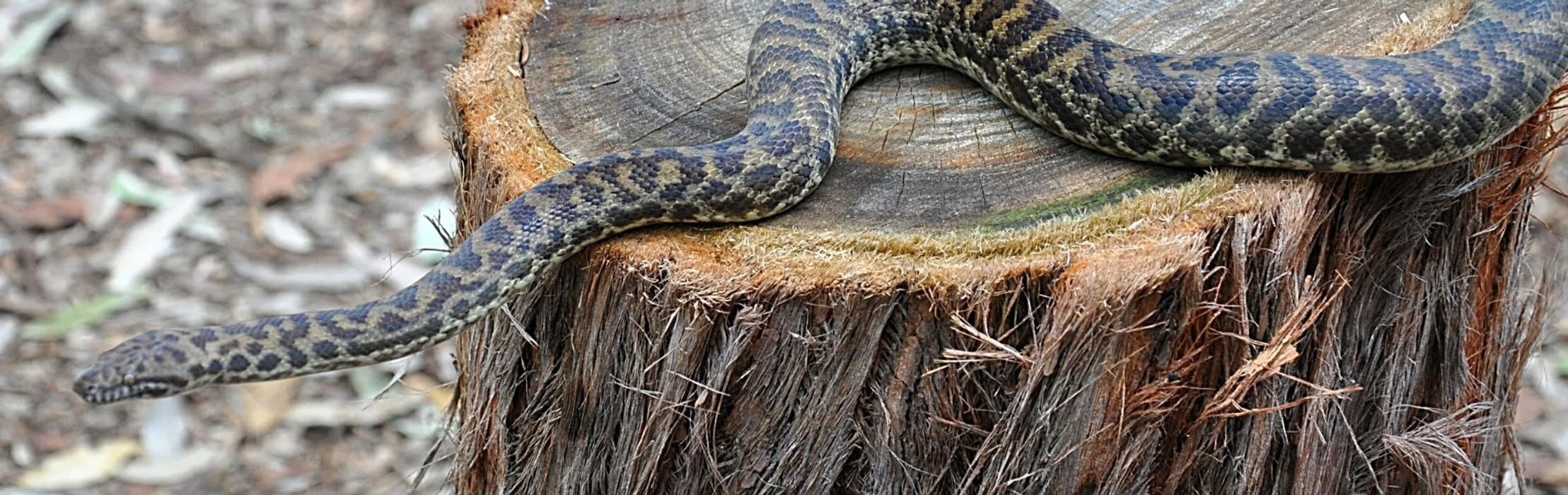
Spotted Pythons
Small and hardy, spotted pythons are ideal for beginners. They grow to around 1 metre in length, are generally easy to handle, and adapt well to a wide range of enclosure types. They need secure hides and moderate temperatures to feel safe and content.
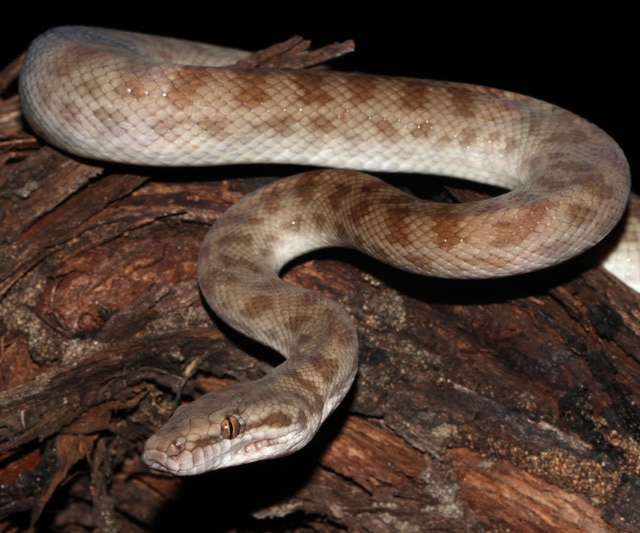
Children’s Pythons
Named after John George Children (not kids!), these snakes are gentle, calm, and easy to care for. Children’s pythons are perfect for beginners and thrive in basic setups with good heating and hiding options. They tend to grow to about 1 metre in length and are commonly available in pet stores across Queensland.
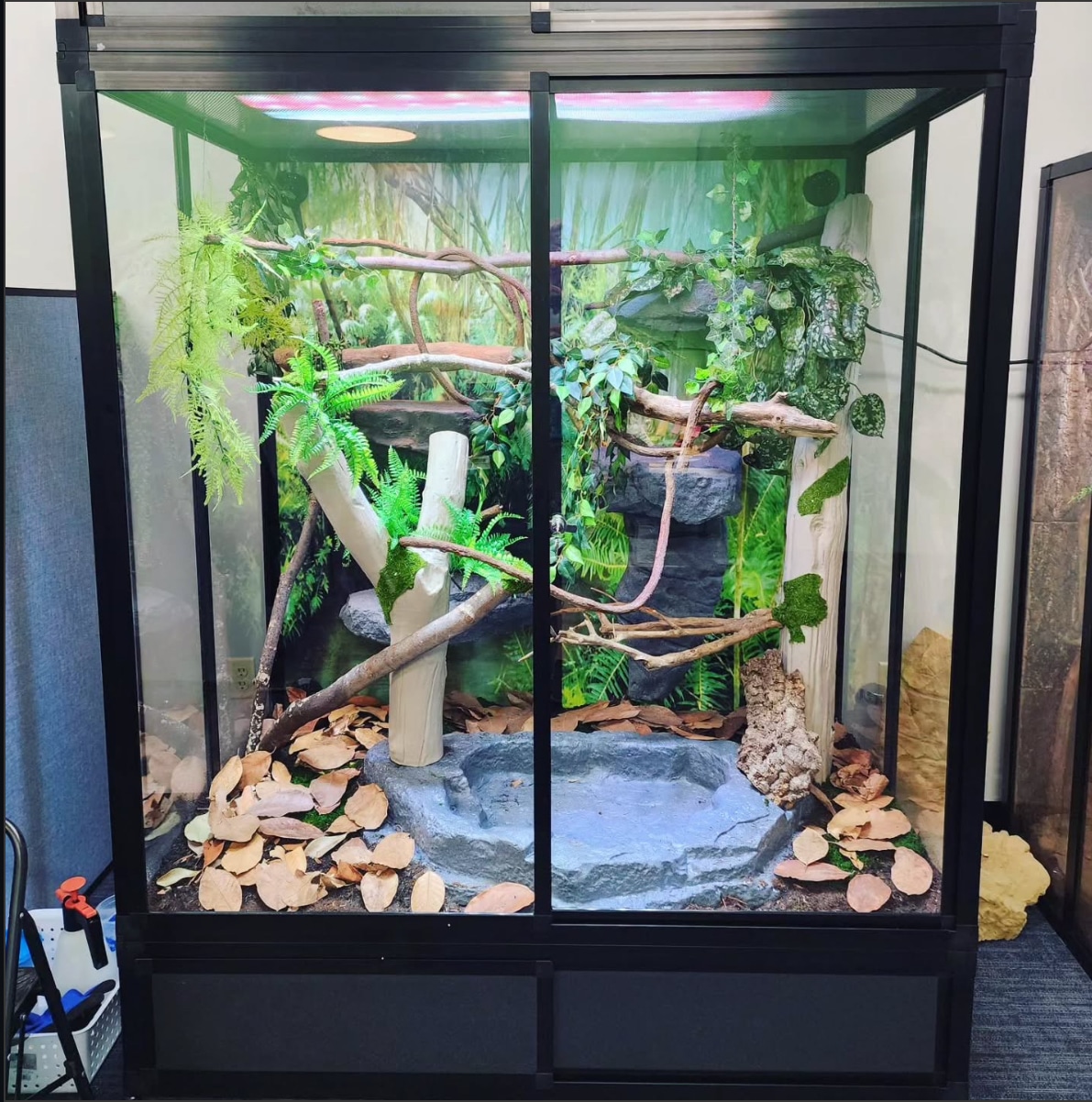
2. Enclosure Size and Shape: Start with the Right Space
The size and shape of your snake’s enclosure are critical to their comfort. As a general rule, the enclosure should be at least as long as the snake and wide enough to allow for movement and natural behaviours.
- Green Tree Python: Requires tall, arboreal-style enclosures (minimum 60cm high).
- Spotted Python: Can be kept in enclosures around 90–120cm long.
- Children’s Python: Also comfortable in enclosures 90–120cm long.
Ventilation is important for all species, but especially so for those requiring high humidity like the green tree python. Glass terrariums or melamine enclosures with mesh tops are both common options.
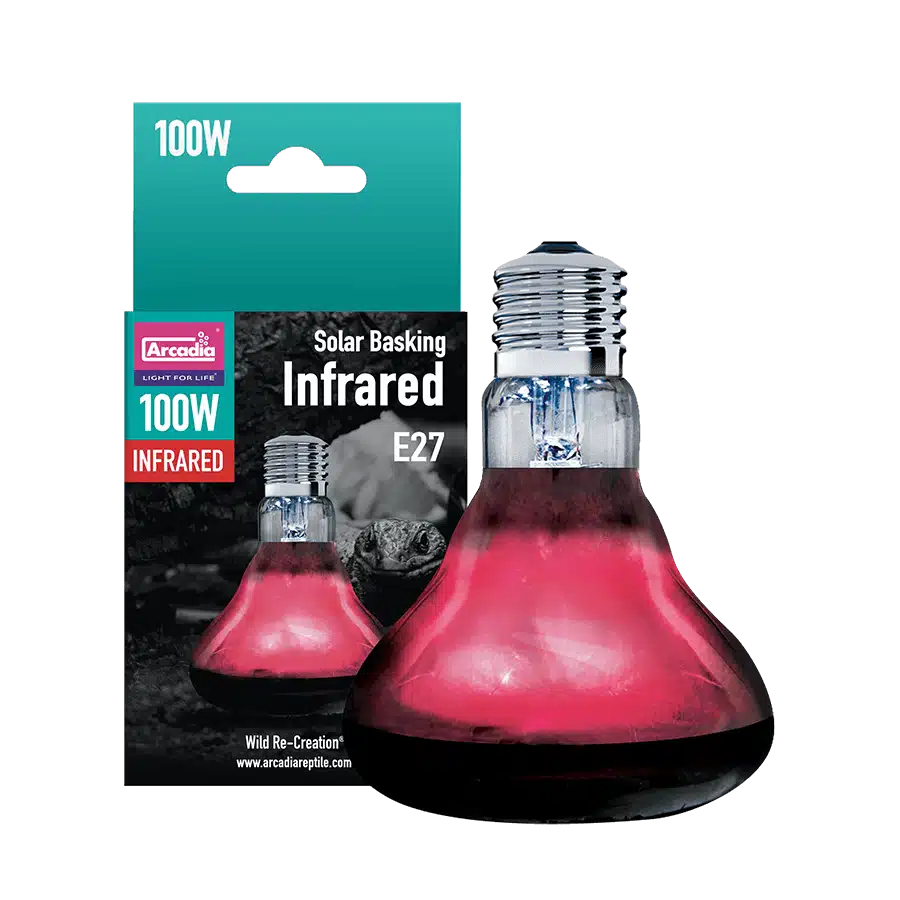
3. Heating and Lighting: Mimic Natural Conditions
Snakes are ectothermic, which means they rely on external heat sources to regulate their body temperature. Every snake enclosure setup should include:
- A temperature gradient: One end warm, the other cooler.
- Basking spot: Use a ceramic heat emitter or heat lamp for this.
- Night-time heating: Consider a heat mat with a thermostat.
Ideal temperature ranges (may vary slightly by species):
- Green Tree Python: 28–32°C during the day; 22–25°C at night.
- Spotted & Children’s Python: 26–30°C during the day; 20–24°C at night.
Lighting should mimic a natural day-night cycle. While UVB is not essential for all snakes, it can be beneficial for health and behaviour—especially in green tree pythons. A 12-hour light cycle is typically recommended.
4. Substrate Options: Comfort, Safety and Cleanliness
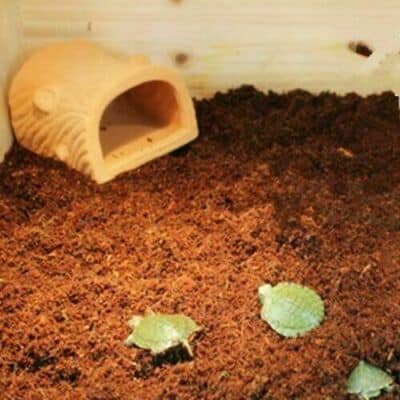
Choosing the right substrate plays a big part in maintaining humidity, reducing odour, and providing comfort for your snake.
Here are some popular choices:
- Aspen shavings: Great for spotted and children’s pythons; easy to clean.
- Cypress mulch: Holds humidity well—excellent for green tree pythons.
- Coconut husk/chips: Natural, biodegradable, and humidity-friendly.
- Paper towels/newspaper: Cheap and easy to change; great for quarantine or minimalist setups.
Avoid using sand, gravel, or cedar-based products, as these can cause health issues.
5. Hides, Climbing, and Environmental Enrichment
A common mistake in snake enclosure setup is focusing only on heating and lighting—your snake also needs enrichment and security.
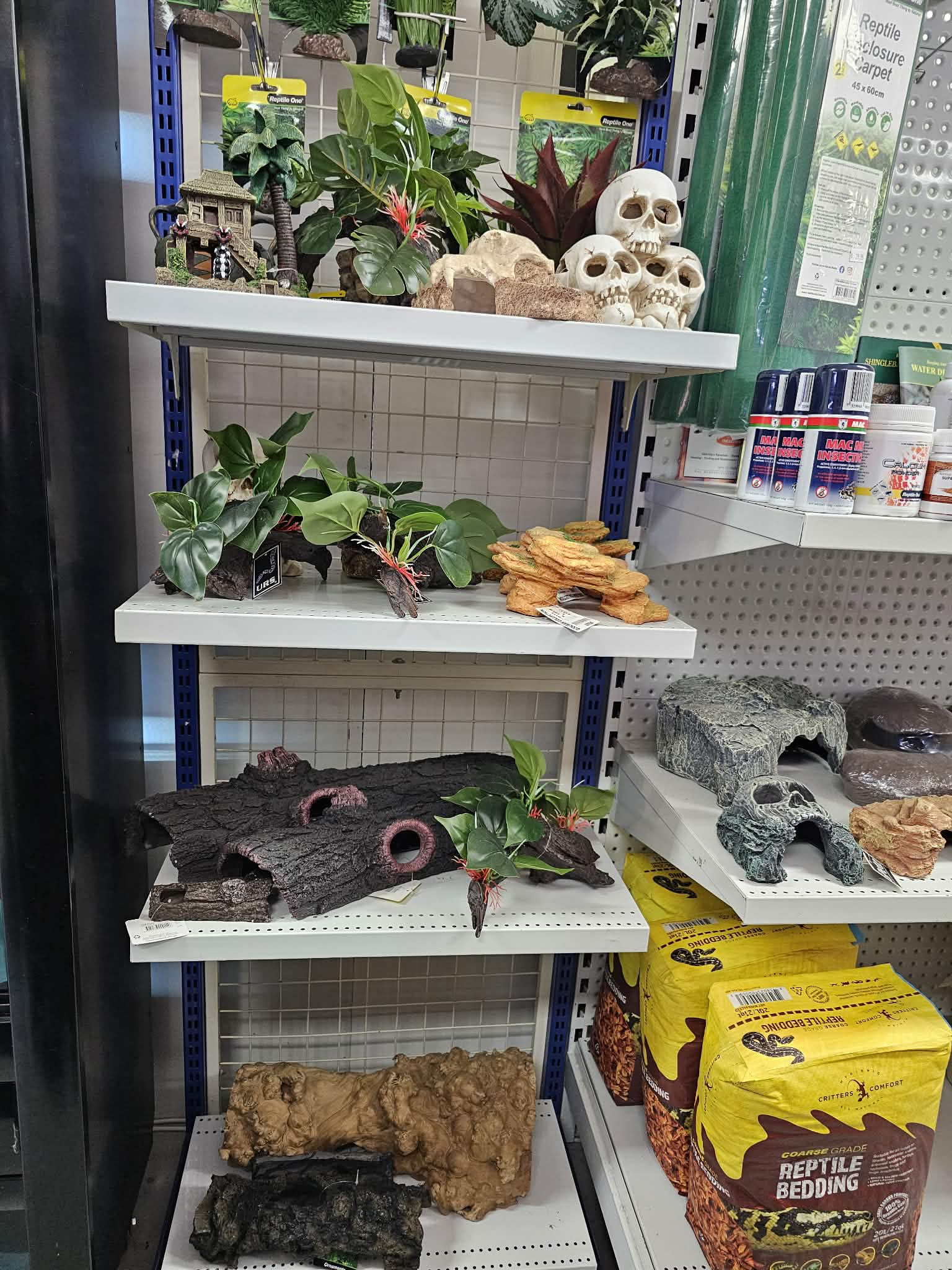
- Hides: Provide at least two hides (one on the warm side, one on the cool side).
- Branches & climbing structures: Essential for green tree pythons.
- Water dish: Should be large enough for soaking, especially when shedding.
- Décor: Artificial plants, logs, and rocks help mimic the natural environment.
Always ensure all items are securely placed and cannot fall or shift during movement.
6. Humidity and Shedding
Proper humidity is critical—especially during shedding.
- Green tree pythons need higher humidity: aim for 60–80%.
- Spotted and children’s pythons do well around 40–60%.
Tips to maintain humidity:
- Mist the enclosure daily (especially for arboreal species).
- Use a substrate that retains moisture.
- Add a humid hide lined with sphagnum moss.
Poor humidity can lead to stuck sheds and health issues, so always monitor with a reliable hygrometer.
7. Feeding and Watering
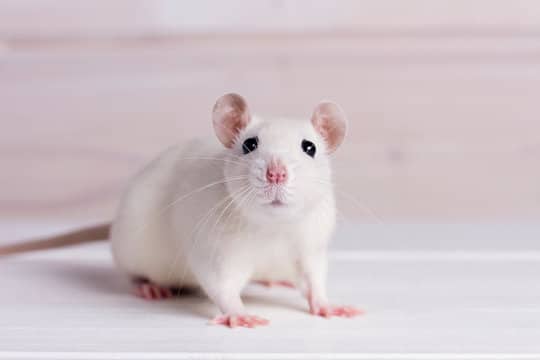
Snakes typically eat once every 1–2 weeks, depending on their size and age. Frozen-thawed rodents are the standard diet.
- Feed appropriately sized meals (no larger than the widest part of the snake’s body).
- Avoid handling your snake for 24–48 hours after feeding.
- Provide clean, fresh water at all times and change it every 1–2 days.
Your snake enclosure setup should allow space for your snake to comfortably eat and digest its meals without stress.
8. Cleaning and Maintenance Routine
A clean enclosure is a healthy enclosure.
Daily tasks:
- Remove faeces or uneaten food.
- Check water and humidity levels.
- Spot-clean substrate if needed.
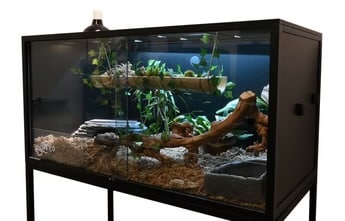
Weekly tasks:
- Wipe down surfaces.
- Check all heating and lighting equipment.
- Replace water bowl with a clean, disinfected one.
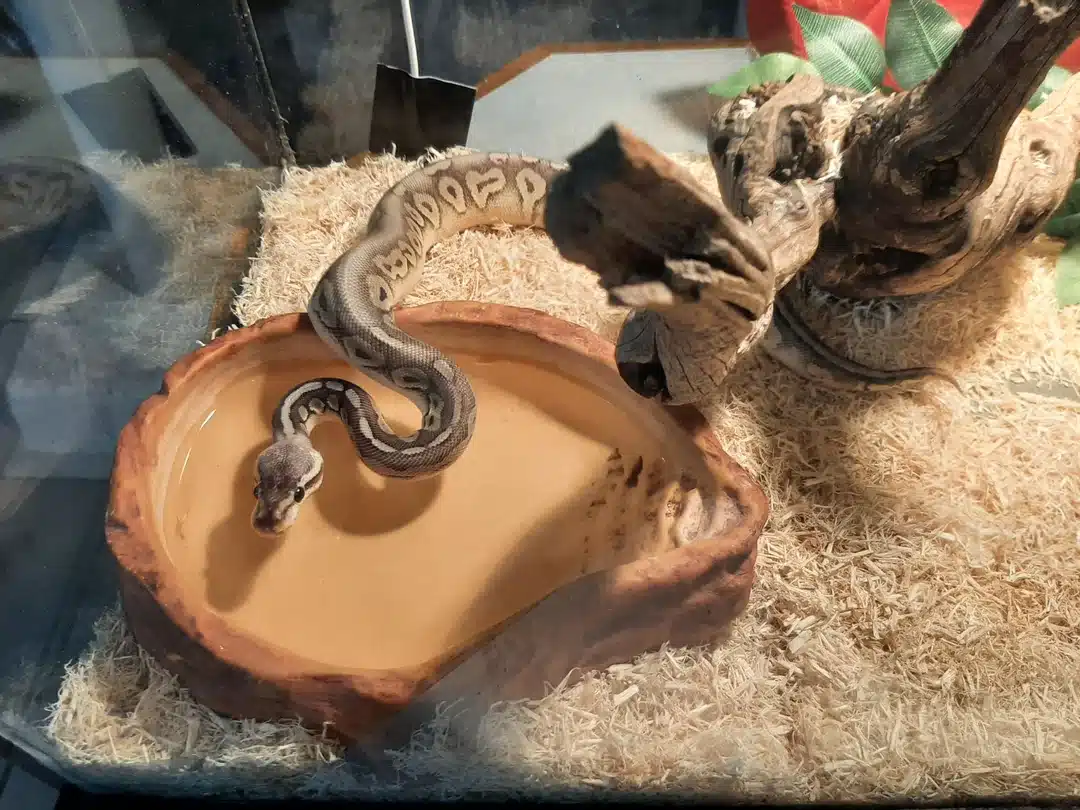
Monthly tasks:
- Deep clean the enclosure.
- Replace substrate.
- Inspect the snake for any signs of illness or injury.
Using reptile-safe disinfectants is important—never use harsh household chemicals inside your enclosure.
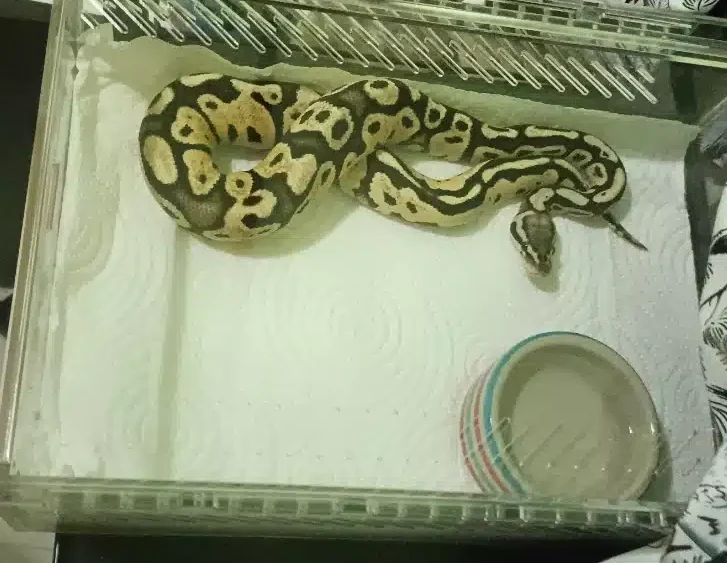
9. Snake Enclosure Setup Mistakes to Avoid
Even with the best intentions, some common mistakes can lead to stress or health issues.
Avoid:
- Enclosures that are too small or poorly ventilated.
- Incorrect heating without a thermostat.
- Skipping hides (this leads to stress and aggression).
- Overhandling—especially green tree pythons.
- Using unsafe décor or sharp objects.
Research your species thoroughly and always adjust your snake enclosure setup to meet their unique needs.
10. Expert Help and Supplies at Toni’s Pet Station
Setting up the perfect enclosure for your snake is a rewarding process—but it can feel overwhelming without the right guidance. At Toni’s Pet Station in Ningi, we offer expert advice, high-quality reptile supplies, and enclosures tailored to Australia’s most popular species.
Whether you’re looking for a specialised snake enclosure setup for a green tree python or a comfortable home for your first children’s python, our team is here to help. We proudly serve the Brisbane area, Sunshine Coast, and beyond with trusted support for reptile enthusiasts at every stage.